Rastro (LAKHTA, SLAVYANKA, Izhora)
LAKHTA S-311 — injection resin-foam for leaks and joint sealing
Polyurethane resin-foam that stops a leak and elastically seals cracks and joints with one compound, including under vibration.
Price on request
The flexibility of Izhora BP-G50 sealant is retained down to −52 °C, so the grade is used in all climatic regions, including where the coldest five-day period is below −35 °C. It is poured into expansion joints of concrete and asphalt concrete airfield pavements, joints and cracks of roads, and expansion joints and drainage systems of bridges. The material is heated to +140…+180 °C without direct heating or overheating; it softens no lower than 85 °C and at −20 °C elongates by at least 357 %. The sealant complies with GOST 30740-2000 and is supplied in 24 kg cardboard drums or 25 kg boxes.
| Manufacturer | Rastro (LAKHTA, SLAVYANKA, Izhora) — ZAO “Rastro” |
|---|---|
| Type | joint sealants |
| Use | joints and junctions, bridge structures |
| Base | one-component hot-applied bitumen-polymer sealant (bitumen, plasticisers, polymer additives) |
| Colour | black |
| Packaging | 24 kg cardboard drums with polyethylene film or 25 kg cardboard boxes with release film |
| Application method | remove loose pieces, crumbling concrete and old sealant; clean the joints with a disc brush and compressed air, dry with a gas or infrared torch; treat the walls with Izhora NP-02 primer; remove the packaging (from blocks in boxes — also the release film); heat in kettles with forced agitation to +140…+180 °C without overheating or direct heating; pour with joint-filling machines or pouring cans to a level 3–5 mm below the pavement surface; filling depth to width 1:1…2:1, with a backer rod; after pouring — mineral dusting; traffic — after cooling |
| Application temperature | surface and air not lower than +5 °C, no precipitation (at lower temperatures — with heated enclosures or heat guns); working temperature +140…+180 °C |
| Curing | traffic is opened after the sealant has cooled to air temperature and no longer sticks to wheels |
| Key properties | flexibility temperature not higher than −52 °C; softening point (ring and ball) not lower than 85 °C; tack temperature not lower than 56 °C (with dusting 60 °C); elongation at break at −20 °C at least 357 %; water absorption not more than 0.29 %; climatic zones I…IV; fatigue endurance at 0 °C 31 thousand cycles; UV ageing 1,000 h — weight loss 15 %; heating in kettles +140…+180 °C; compliance with GOST 30740-2000; prolonged contact with organic solvents, oils, highly concentrated acids and alkalis is not recommended |
| Consumption | 0.85 kg/linear m per 20 × 40 mm joint |
| Shelf life | 24 months from the date of manufacture |
| Standards | TU 5772-009-11149403-2002; compliance with GOST 30740-2000 |
Data from the manufacturer’s technical data sheet. The coating system, number of coats and quantity are selected for your project on request.
Polyurethane resin-foam that stops a leak and elastically seals cracks and joints with one compound, including under vibration.
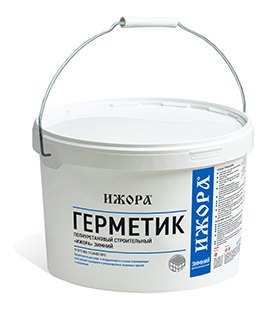
Winter two-component polyurethane sealant for reinforced concrete and facade joints; applied at air temperatures from −20 to +15 °C.
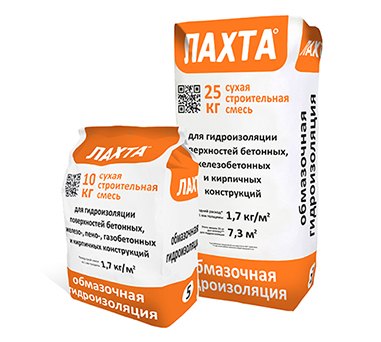
Thin-layer cement waterproofing for walls, floors and ceilings of basements, foundations and tanks; coating grade W16.
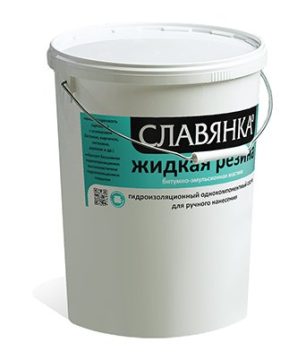
Ready-to-use water-based bitumen-latex mastic for roofs, foundations and wet rooms; elongation at break 700 %.
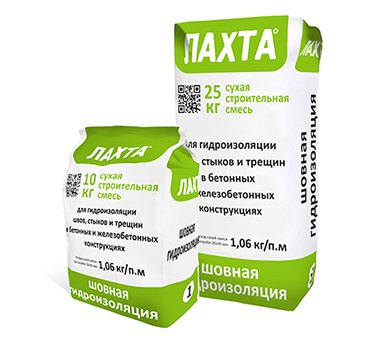
Non-shrink fibre-reinforced cement mix for filling joints, butt joints and cracks in concrete; water-tightness grade W16.
Mastic based on divinyl-styrene and acrylic polymers for foundations, roofs, bridges and tanks; bond to concrete and metal 2.0 MPa.