Khimtek
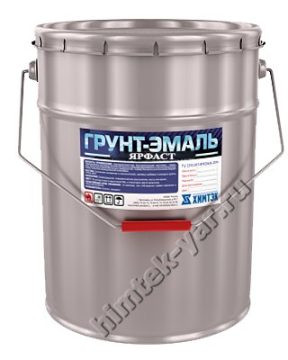
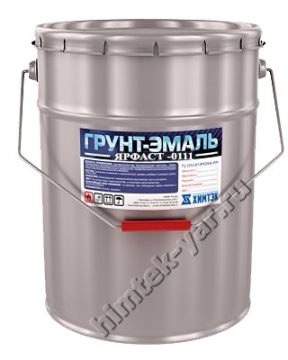
YARFAST®-0111B primer-enamel — thixotropic, applied in a single coat
Thixotropic quick-drying primer-enamel for steel structures: does not sag in a thick coat and is applied in a single coat by airless spray.
Price on request
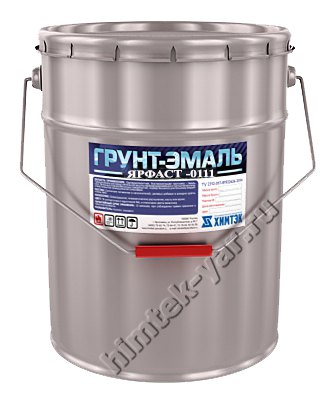
The YARFAST®-0111 primer-enamel provides barrier corrosion protection for steel structures and dries quickly. It is used as a transit (preservation) paint material, under enamels or as a stand-alone coating. It is applied by brush, roller or air spray and thinned with xylene or solvent naphtha. Resistance to water and 3 % NaCl is 24 h, to industrial oil 48 h.
| Manufacturer | Khimtek — OOO PO “Khimtek”, Yaroslavl |
|---|---|
| Type | primer-enamels |
| Use | steel structures |
| Base | Pigments and fillers in a solution of film formers in organic solvents |
| Colour | various colours |
| Application method | brush, roller, air spray; thinning with xylene or solvent naphtha (40–50 s by VZ-246) |
| Drying | quick-drying |
| Key properties | Barrier corrosion protection, Resistance: water and 3 % NaCl — 24 h, industrial oil — 48 h |
| Compatible materials | transit (preservation) paint material, under enamels or on its own |
| Shelf life | 12 months |
| Standards | TU 20.30.12-048-81922626-20 |
Data from the manufacturer’s technical data sheet. The coating system, number of coats and quantity are selected for your project on request.
Thixotropic quick-drying primer-enamel for steel structures: does not sag in a thick coat and is applied in a single coat by airless spray.
Two-component zinc-rich primer on modified epoxy resin for steel structures, pot life of the mixture 12 h.
Weather-resistant “3-in-1” primer-enamel for steel structures, applied over tight rust and mill scale, including at sub-zero temperatures.
Alkyd-urethane “3-in-1” primer-enamel for steel structures and equipment, applied over metal with traces of rust and at sub-zero temperatures.
Zinc-rich epoxy primer for steel structures and products operating in a corrosive environment at elevated temperatures.
Phenol-formaldehyde primer for steel structures, bridges and equipment under most solvent-borne enamels, from −60 to +100 °C.