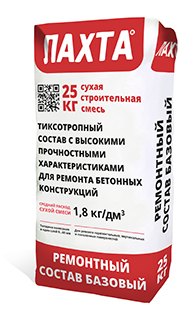
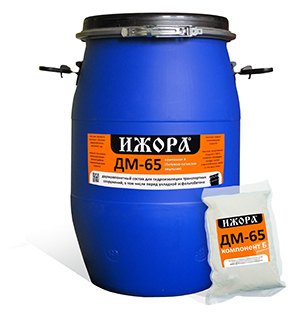
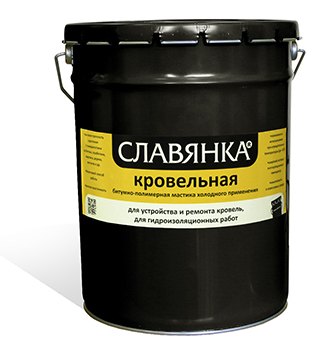
Rastro (LAKHTA, SLAVYANKA, Izhora)
Izhora MBR-G-90 insulating mastic — hot-applied bitumen-rubber mastic
Hot-applied bitumen-rubber mastic for insulating pipelines, tanks and building structures against moisture and corrosion.
Price on request
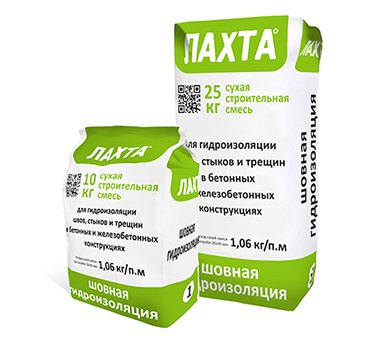
The special feature of LAKHTA S-311 is that one material does the work of two: on meeting water it foams and stops the leak, and in a dry cavity it polymerises into a dense elastic mass. Foaming starts 50 s after contact with water and ends within 6 min, the foaming ratio is up to 12, and without water curing takes 24 h. The resin-foam is pumped into cracks, joints and butt joints of reinforced concrete, stone and brick structures, including those subject to dynamic loads and vibration, and into voids behind tunnel linings.
| Manufacturer | Rastro (LAKHTA, SLAVYANKA, Izhora) — ZAO “Rastro”, Bolshaya Izhora |
|---|---|
| Type | injection waterproofing |
| Use | leak repair, joints and junctions, foundations and basements, tunnels and metro |
| Base | two-component hydro-active polyurethane injection resin-foam (foam/elastic resin) of low viscosity, free of organic solvents; components A and B — transparent liquids |
| Colour | components transparent |
| Packaging | 24 kg kit: component A — 15 kg metal euro bucket, component B — 9 kg euro bucket |
| Application method | single-component pump (two-component — with the mix fed through one channel); for active leaks or openings wider than 0.3 mm, first F-100 or water plug; with minor water inflow, S-311 may be used straight away with re-injection; mix A:B 2:1 by volume (5:3 by weight) for at least 1 min with a 300 rpm mixer; inject until completely filled (checked by removing the heads of neighbouring packers); mechanised only, with an injection pump; packers from Ø10 mm; drill holes at 30…45° intersecting the crack/joint in the middle of the thickness, depth usually 2/3 of the thickness, spacing not more than 1/2 of the thickness (15…30 cm), most often in a staggered pattern; clean the holes with compressed air or water; inject from bottom to top or from right to left; raise the pressure gradually, not above Pmax = 10 atm × concrete class / 3 (for B45 — not more than 150 atm); after polymerisation remove the packers and fill the holes with LAKHTA joint waterproofing or LAKHTA repair compounds; flush the equipment with diesel fuel or motor oil; condition the material at +17…+22 °C for one day beforehand; do not allow moisture to get into the components |
| Application temperature | not lower than +5 °C (surface and air) |
| Curing | pot life of the mix at least 60 min (+20 °C); start of foaming on contact with water 50 s, end 6 min; polymerisation without water 24 h |
| Key properties | dynamic viscosity of the mix 200 mPa·s (+20 °C); density of the mix 1.1 kg/dm³; maximum foaming ratio 12; ratio A:B 5:3 by weight, 2:1 by volume; with water — an elastic watertight foam that withstands dynamic loads; without water — a dense elastic material; high adhesion and chemical resistance |
| Shelf life | 12 months from the date of manufacture; in dry rooms at +5…+30 °C in the manufacturer's packaging |
| Standards | TU 20.16.56-029-11149403-2018 |
Data from the manufacturer’s technical data sheet. The coating system, number of coats and quantity are selected for your project on request.
Hot-applied bitumen-rubber mastic for insulating pipelines, tanks and building structures against moisture and corrosion.
Rigid low-viscosity polyurethane resin for bonding cracks and joints and restoring the load-bearing capacity of concrete; 80 MPa compressive.
Sprayed bitumen-latex membrane for bridge decks, tunnels and flyovers; heat resistance of 260 °C allows poured asphalt to be laid on top.
Hot bitumen-polymer sealant for joints in airfield, road and bridge pavements; flexibility is retained down to −27 °C.
Cold bitumen-polymer mastic for repairing any roofs and building mastic roofs; elongation 1,500 %, service from −60 to +110 °C.
Hot bitumen-polymer sealant for airfield, road and bridge joints in any region, including zones with a five-day period below −35 °C.