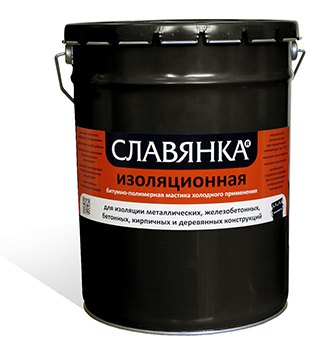
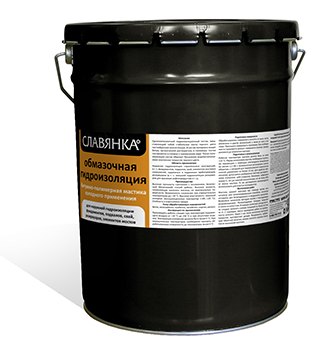
Rastro (LAKHTA, SLAVYANKA, Izhora)
SLAVYANKA HardFlex — polymer mastic for foundations and roofs
Mastic based on divinyl-styrene and acrylic polymers for foundations, roofs, bridges and tanks; bond to concrete and metal 2.0 MPa.
Price on request
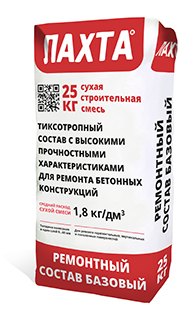
LAKHTA R-245 is a two-component polyurethane injection resin without organic solvents that becomes a dense, rigid material after polymerisation. It is injected through packers with an injection pump to bond cracks and joints, restore the load-bearing capacity of concrete and reinforced concrete and fill voids; in the event of an active leak the water is first stopped with LAKHTA F-100 resin. The mix viscosity is 200 mPa·s, the pot life at least 120 min, the compressive strength at 7 days at least 80 MPa, and the bond to concrete 2 MPa.
| Manufacturer | Rastro (LAKHTA, SLAVYANKA, Izhora) — ZAO “Rastro”, Bolshaya Izhora |
|---|---|
| Type | crack injection compounds |
| Base | two-component high-strength low-viscosity polyurethane injection resin without organic solvents; after polymerisation — a dense rigid material |
| Colour | components transparent |
| Packaging | kit of 44 kg: component A — 20 kg metal euro pail, component B — 24 kg euro pail |
| Application method | one- or two-component pump; if water is present, first stop the water inflow with LAKHTA F-100 resin and dry the crack with a torch or hot-air gun; caulk wide cracks with LAKHTA repair compound Bazovy or RS; mix A:B 1:1 by volume (1:1.2 by weight) for at least 1 min with a mixer at 300 rpm; flush the drill holes and then dry them thoroughly; inject until completely filled (nipples unscrewed); inspection — visually and with an ultrasonic flaw detector; mechanically only, with an injection pump; packers from Ø10 mm; clean the holes with compressed air or water; inject from bottom to top or from right to left; raise the pressure gradually, not above Pmax = 10 atm × concrete class / 3 (for B45 — no more than 150 atm); after polymerisation remove the packers and fill the holes with LAKHTA joint waterproofing or LAKHTA repair compounds; flush the equipment with diesel fuel or motor oil; keep the material at +17…+22 °C for 24 hours beforehand; do not allow moisture into the components |
| Application temperature | not below +5 °C (surface and air) |
| Curing | pot life of the mix at least 120 min (+20 °C); end of polymerisation 24 h |
| Key properties | dynamic viscosity of the mix 200 mPa·s (+20 °C); mix density 1.1 kg/dm³; bond strength to concrete at least 2 MPa; flexural strength at 7 days (+23 °C) at least 10 MPa; compressive strength at 7 days at least 80 MPa; A:B ratio 1:1.2 by weight, 1:1 by volume; high chemical resistance |
| Shelf life | 12 months from the date of manufacture; in dry rooms at +5…+30 °C in the manufacturer's packaging |
| Standards | TU 20.16.56-029-11149403-2018 |
Data from the manufacturer’s technical data sheet. The coating system, number of coats and quantity are selected for your project on request.
Mastic based on divinyl-styrene and acrylic polymers for foundations, roofs, bridges and tanks; bond to concrete and metal 2.0 MPa.
Winter polyurethane mastic for foundations, car parks and wet rooms: applied at air temperatures from −20 to +10 °C.
Two-component polyurethane mastic for foundations, car parks and wet rooms under tiles; elongation at break at least 500 %.
Bitumen-polymer mastic for protecting pipelines, tanks and underground structures from moisture, soil corrosion and stray currents.
Hot-pour bitumen-polymer mastic for joints and cracks in road pavements and junctions with tram rails; elasticity 90 %.
Solvent-based bitumen-polymer mastic for external waterproofing of foundations, piles and tanks; applied at air temperatures from −10 °C.